
Authentic Japan Experiences: From Machiya Stays to Craft Sake Brewery Tours
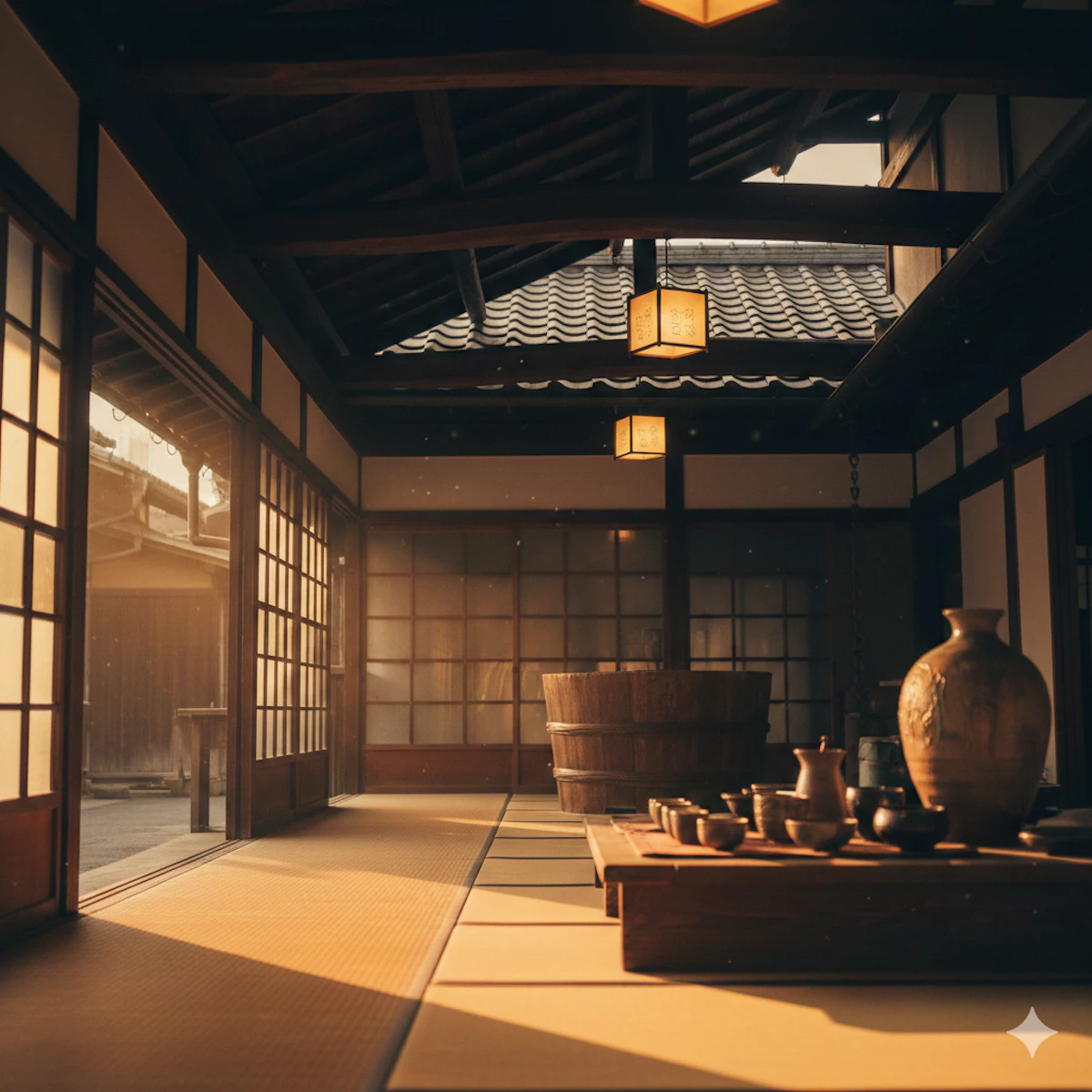
If you've visited Japan before, you already know the iconic sights. You've seen Fushimi Inari at dawn, walked Philosopher's Path in cherry blossom season, and navigated the organized chaos of Shibuya Crossing. Now you're ready for something deeper — the Japan that doesn't appear on souvenir postcards. A machiya stay in Japan, a morning spent watching a master lacquerware artist work in near-silence, a cup of unpasteurized sake poured straight from the vat by the brewer himself. This is the Japan that turns repeat visitors into lifelong devotees.
Why "Authentic" Japan Experiences Matter
Tourism in Japan has transformed dramatically over the past decade. The country welcomed record numbers of international visitors, and communities have responded by opening doors that were once firmly closed to outsiders. Local families have converted ancestral machiya townhouses into intimate guesthouses. Generations-old sake breweries have begun welcoming curious travelers into their koji rooms. Rural farmers who once had no reason to interact with tourists are now hosting guests at their Hokuriku farmhouse tables.
The shift is mutual and meaningful. For travelers, authentic Japan travel experiences offer context that a guidebook simply cannot provide. You stop observing Japan and start inhabiting it, even briefly. For local communities, responsible cultural tourism sustains crafts, buildings, and practices that might otherwise quietly disappear.
The practical upside: these experiences are almost universally more affordable — and more memorable — than equivalent luxury hotel packages.
Category Guide: Five Authentic Japan Experiences Worth Planning Around
1. Machiya Townhouse Stays
A machiya stay in Japan is the single most transformative accommodation choice for a repeat visitor. Machiya (町家) are traditional wooden townhouses, narrow at the street and deep toward the interior, typically built during the Edo or Meiji period for merchant families. Staying in one means sleeping in a structure that has outlasted wars, earthquakes, and economic upheaval — and waking up to tatami, engawa garden verandas, and the smell of aged cedar.
Kanazawa is arguably the finest city in Japan for a machiya stay experience. Because the city escaped World War II bombing raids, its Higashi Chaya and Kazuemachi districts retain remarkably intact rows of machiya in their original urban context. Many have been meticulously restored with underfloor heating and modern bathrooms while preserving latticed facades, inner courtyards, and original ranma (carved wooden transom panels). Staying here, you're within a roughly 20-minute walk of the Kenroku-en garden — but the neighborhood itself is the attraction.
Other outstanding machiya destinations include the Nishijin weaving district in Kyoto, the castle town of Hagi in Yamaguchi Prefecture, and the preserved merchant quarter of Tomo-no-Ura in Hiroshima Prefecture.
Booking tip: Machiya accommodations are almost always self-catering and privately managed. Book at least two to three months in advance for peak seasons (March–May, October–November). Check-in arrangements vary, so confirm how you will receive the key when you book.
2. Craft Sake Brewery Tours
A Japan sake brewery tour is the clearest window into a craft tradition that has survived more than a thousand years. Japan's roughly 1,100 active sake breweries (the number has fallen steadily for decades) each produce sake that reflects the specific mineral profile of local water, the character of locally grown rice, and the accumulated knowledge of a particular toji (master brewer).
Kyoto Prefecture is the natural starting point. The Fushimi district in southern Kyoto has been a major sake production center since the 16th century, and two easy places to start are the Gekkeikan Okura Sake Museum (English information and a tasting; its tours are self-guided, and reservations are recommended) and Kizakura Kappa Country. They are museum-style visits rather than working brewery tours. For a closer look at koji rooms and fermentation tanks, ask a booking platform about small breweries that accept visitors.
For smaller-scale immersion, head north. Noto Peninsula breweries in Ishikawa Prefecture include makers of traditional yamahai-style sake. Many breweries there were damaged in the January 2024 earthquake and are still rebuilding, so check whether a brewery is open to visitors before planning around it.
Booking tip: Brewery tours during the active brewing season (October to March) are the most atmospheric — you'll see actual production in progress. Summer visits typically involve more emphasis on tasting and history than live brewing.
3. Farmhouse Stays (Noka Minshuku)
The Japan farmhouse stay experience — known locally as noka minshuku or noka stay — connects travelers directly with rural agricultural life. These aren't sanitized resort-style retreats. You stay in a working farmhouse, often sleep in a converted storehouse or traditional gassho-zukuri thatched structure, and share meals prepared from the family's own fields or the surrounding mountains.
Hokuriku — the region encompassing Ishikawa, Fukui, and Toyama prefectures along the Sea of Japan coast — is the heartland of Japan's farmhouse stay culture. The UNESCO-listed Shirakawa-go village in Gifu (bordering Toyama) is famous, but smaller, less-visited villages elsewhere in Hokuriku offer farmhouse stays with far fewer other visitors. The Noto Peninsula was hit hard by the January 2024 earthquake, so check what is operating there before you book.
A typical Hokuriku farmhouse stay includes: arrival by late afternoon, a multi-course dinner centered on seasonal vegetables, mountain herbs, and local seafood or game, morning farm activity (planting, harvesting, or feeding animals depending on season), and a homemade breakfast before departure. Many hosts speak limited English, and this communication challenge — navigated with phone translation apps, hand gestures, and shared laughter — is itself part of the experience.
4. Traditional Crafts Workshops
Japan's craft traditions are hyper-local. The pottery style of Hagi in Yamaguchi Prefecture — prized by tea ceremony masters for its porous, softly glazed surfaces that change with use — cannot be replicated anywhere else, because Hagi-yaki uses clay found only in that specific region. The same logic applies to Kyoto's Nishijin-ori silk weaving, Wajima's lacquerware on the Noto Peninsula (a craft community still recovering from the 2024 earthquake), and the hand-forged kitchen knives of Sakai in Osaka Prefecture.
The most memorable craft workshops run for a full day or across two days and include time working directly alongside an artisan rather than simply watching a demonstration. Several Hagi pottery studios offer a morning shaping session, a break for lunch at the artisan's home, and an afternoon glazing session — with the finished piece shipped to your home country after firing.
5. Home Cooking and Regional Food Experiences
Japanese regional cuisine is vastly more diverse than the sushi-ramen-tempura international shorthand suggests. A kaiseki cooking class in Kanazawa, a miso-making workshop, or a morning at a Kyoto tofu producer — these authentic Japan travel experiences deliver cultural knowledge through taste and technique.
Look specifically for experiences hosted in private homes or working food businesses rather than purpose-built tourist kitchens. The difference in atmosphere, and in what you learn, is substantial.
Five Practical Tips for Booking Authentic Experiences
- Book early, especially for machiya. Supply is genuinely limited. The best machiya stays in Kanazawa and Kyoto sell out months ahead of peak season.
- Communicate dietary restrictions clearly and early. Farmhouse and home cooking experiences are built around specific menus. Hosts need advance notice to accommodate restrictions — and most will do so cheerfully if asked.
- Confirm the language of instruction. Many artisan workshops and sake brewery tours now offer English options, but not all do. Verify before booking, or ask your booking platform to confirm on your behalf.
- Combine experiences geographically. Kanazawa is a good base for pairing a machiya stay with sake, farmhouse and craft experiences in the surrounding region, though Noto is still recovering from the 2024 earthquake. Kyoto covers sake breweries, machiya accommodations, and craft workshops in a single city.
- Embrace slower travel. These experiences reward travelers who aren't optimizing for maximum sites-per-day. Build in a rest morning after a farmhouse stay. Spend a second day in a craft district rather than racing to the next city.
Ready to Go Deeper?
Japan's authentic experiences are, by nature, finite and personal. They happen in real places, with real people, in real time. That's what makes them irreplaceable — and what makes advance planning worthwhile.
Whether you're drawn to the cedar-scented quiet of a machiya stay in Japan, the sensory complexity of a Japan sake brewery tour, or the earthy warmth of a Hokuriku farmhouse table, these experiences share a common quality: they leave you with something a photograph cannot fully capture.
Wander is a short-video guide to local experiences across Japan.