
North to south
Japan Off the Beaten Path: 12 Places to See for Yourself
Most lists of hidden Japan are written from a desk. This one starts with video. Every place below has a short clip filmed there, so you can see what it actually looks like before you rearrange a trip around it.
They run from north to south, and none of them is on the usual Tokyo, Kyoto and Osaka route. A few need a car or a boat, and we say so. Watch the ones that catch your eye, then open them in Wander to save them to your trip.
The 12 places at a glance
| Place | Where | Why go | |
|---|---|---|---|
| 1 | Etanbetsu | Hokkaido | A private sauna in the snow |
| 2 | Lake Kuttari | Hokkaido | Sauna, then a hole in the ice |
| 3 | Hotokegaura | Aomori | Pale rock towers on a remote coast |
| 4 | Tono | Iwate | The town of folk tales |
| 5 | Kakunodate | Akita | Samurai streets and a snowy railway |
| 6 | Tottori Sand Dunes | Tottori | Sand dunes by the Sea of Japan |
| 7 | Akiyoshido Cave | Yamaguchi | A river running through a giant cave |
| 8 | Shodoshima | Kagawa | A path through the sea that appears at low tide |
| 9 | Iya Valley | Tokushima | A vine bridge over a mountain river |
| 10 | Uchiko | Ehime | An old merchant street in the hills |
| 11 | Shimanto River | Kochi | Shikoku's longest river and its low bridges |
| 12 | Ibusuki | Kagoshima | A hot spring you get buried in |
01 · Hokkaido
Etanbetsu 江丹別
A private sauna in the snow
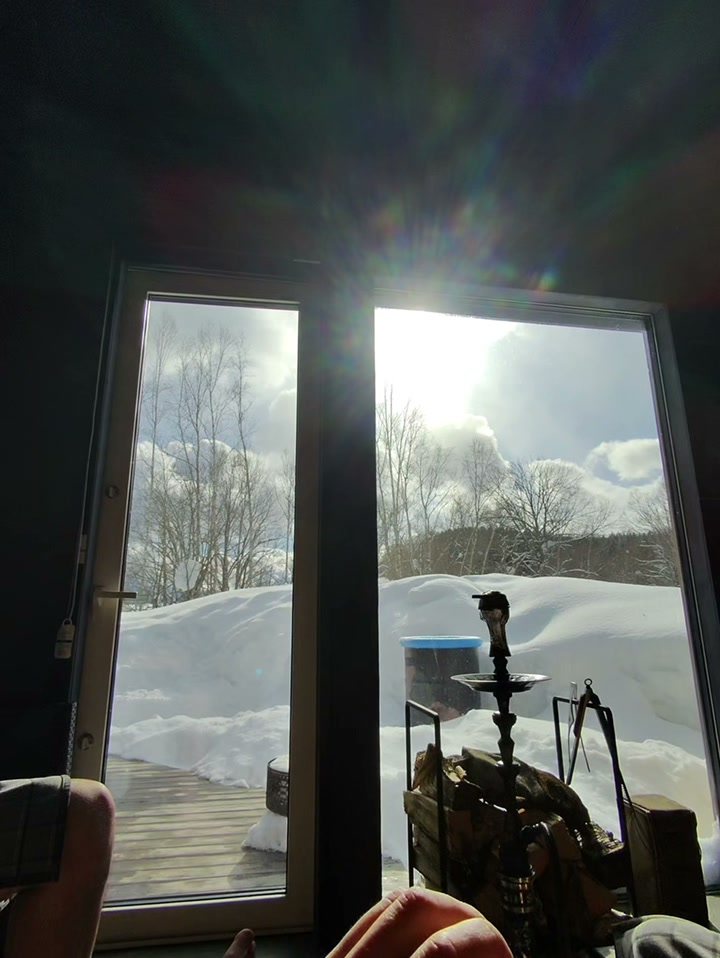
Etanbetsu is a small farming village about 20 km northwest of Asahikawa. There's not much here, and that's the appeal. Etanbetsu Marginal Sauna is a reservation-only private sauna that looks straight out onto the fields, and in winter the view is simply white.
- Best for
- Sauna lovers and quiet winter days
- Getting there
- About 40 minutes by car from Asahikawa
- Good to know
- Book ahead. Each slot is for one private group
02 · Hokkaido
Lake Kuttari 屈足湖
Sauna, then a hole in the ice
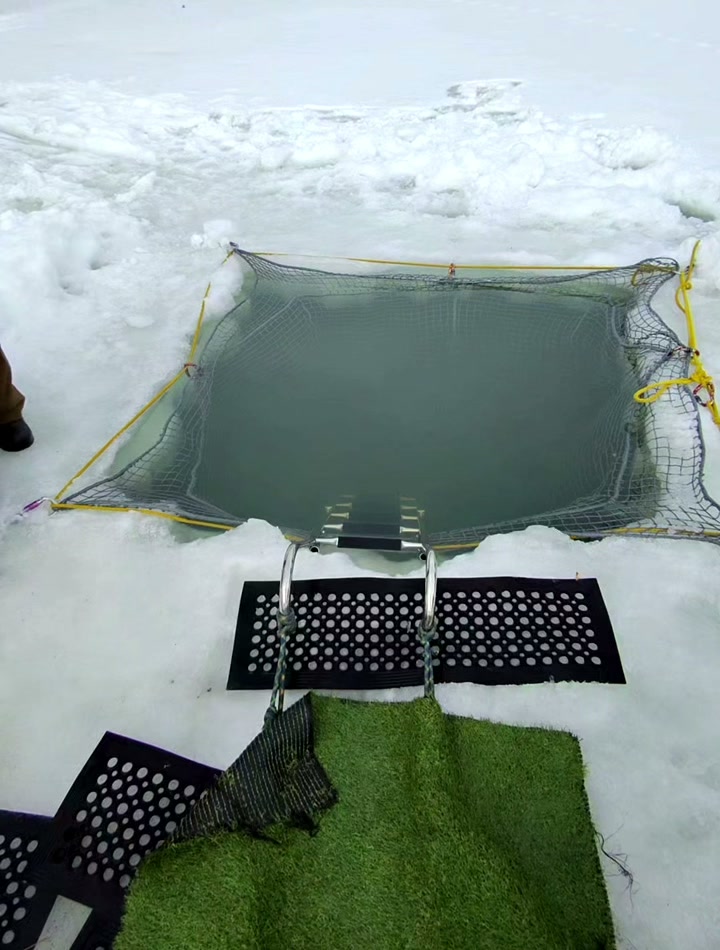
Avanto is the Finnish tradition of warming up in a sauna, then lowering yourself into a frozen lake. In Tokachi, winters regularly fall below -20°C, which makes it possible here. Hokkaido Avanto runs from Kuttari Onsen Lake Inn in Shintoku.
- Best for
- The bravest story of your trip
- When
- Mid-January to mid-March, depending on the ice
- Price
- From ¥20,000 on weekdays and ¥22,000 at weekends, for two hours
- Good to know
- Book in advance. It can be cancelled in bad weather
03 · Aomori
Hotokegaura 仏ヶ浦
Pale rock towers on a remote coast
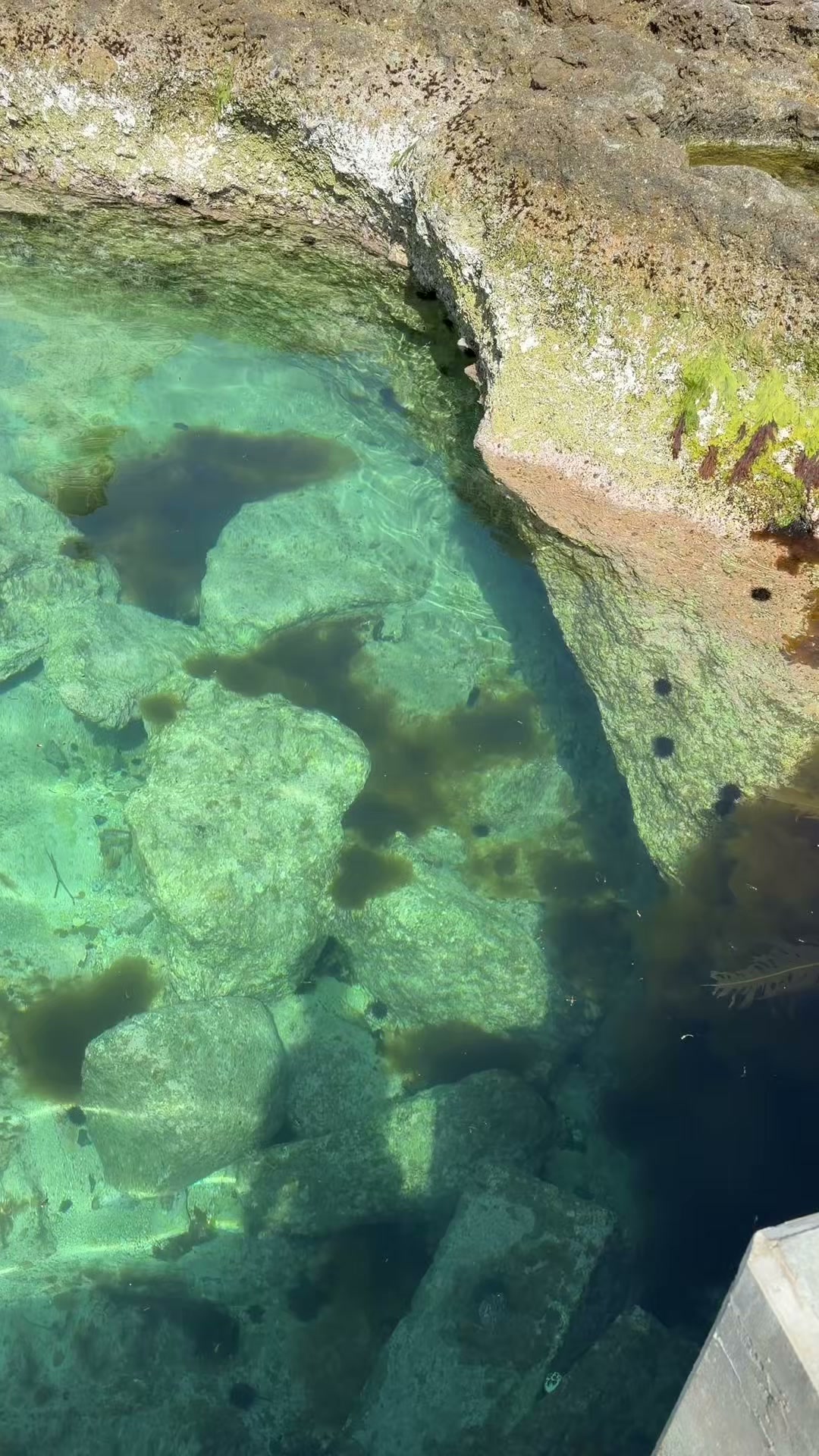
On the far edge of the Shimokita Peninsula, wind and waves have carved volcanic rock into pale cliffs and spires above startlingly clear water. Few visitors make it this far north, and the journey is part of the point.
- Best for
- Coastal scenery and road trips
- When
- The regular boat runs from May to the end of October
- Getting there
- Sightseeing boats leave from Sai. Wakinosawa is about 90 minutes away by car
04 · Iwate
Tono 遠野
The town of folk tales
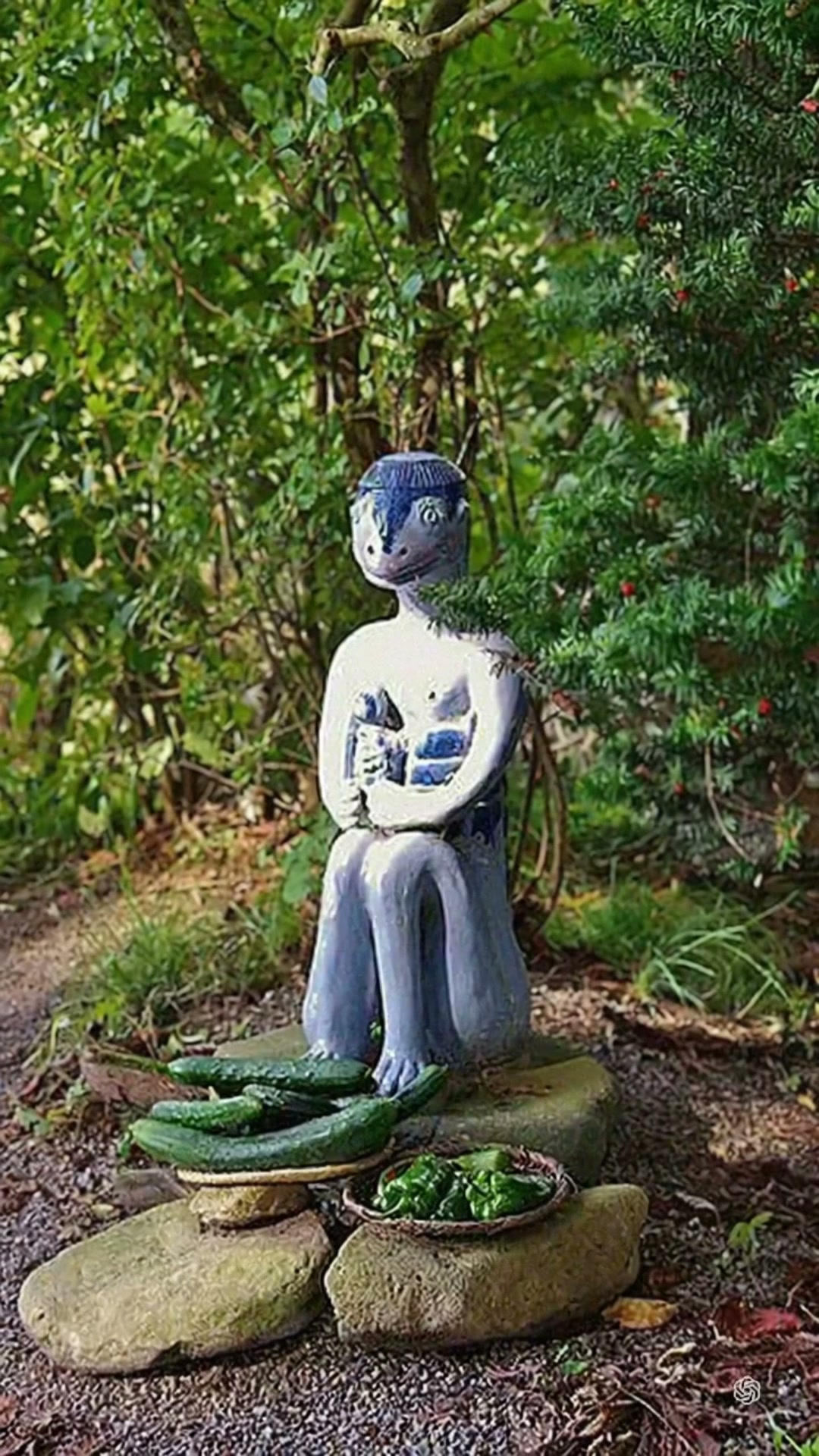
Tono is known across Japan for the Tales of Tono, a collection of local folk stories. The best-known spot is Kappa-buchi, a shaded stream linked to the legend of the kappa, a mischievous water spirit. It's an easy, atmospheric walk rather than a big attraction.
- Best for
- Folklore and rural walks
- Getting there
- JR Kamaishi Line from Shin-Hanamaki to Tono, then a local bus
- Pair it with
- Denshoen, a folk village near Kappa-buchi, about 25 minutes by bus from Tono Station
05 · Akita
Kakunodate 角館
Samurai streets and a snowy railway
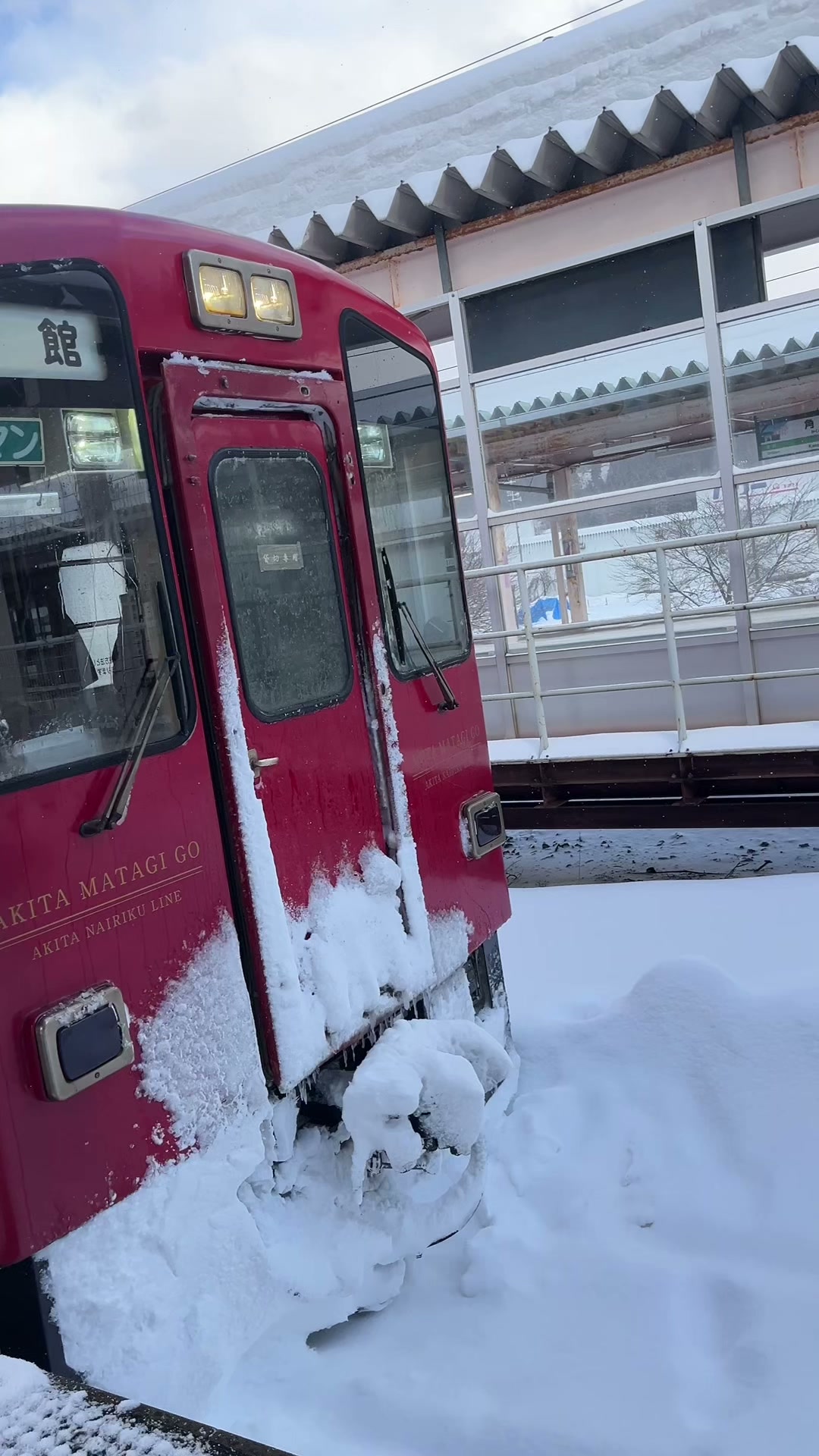
Kakunodate keeps one of northern Japan's best-preserved samurai districts, with weeping cherry trees along its old streets and a 2 km cherry tunnel on the Hinokinai River. The Akita Nairiku Line also starts here, a small local railway that heads into the mountains.
- Best for
- History, cherry blossoms and winter trains
- Getting there
- About 3 hours 10 minutes from Tokyo on the Akita Shinkansen, or 50 minutes from Akita
- When
- Spring for the cherry trees, winter for deep snow
06 · Tottori
Tottori Sand Dunes 鳥取砂丘
Sand dunes by the Sea of Japan
Nobody expects big sand dunes in Japan, which is what makes Tottori such a surprise. You can climb the dunes for a view of the sea, then visit the Sand Museum nearby. Stay for sunset, but check your bus first.
- Best for
- A landscape you did not expect
- Getting there
- About 22 minutes by bus from Tottori Station (¥380)
- Good to know
- The last bus from the main stop leaves around 6:30pm
07 · Yamaguchi
Akiyoshido Cave 秋芳洞
A river running through a giant cave
Below the Akiyoshidai limestone plateau lies one of the great caves of East Asia. The walkway follows the underground river past huge limestone formations, and an elevator inside the cave takes you up to the plateau.
- Best for
- A cool day out in summer
- Price
- ¥1,600 for adults, with seasonal changes (¥1,350 to ¥1,900)
- Getting there
- About 40 minutes by bus from Shin-Yamaguchi Station
- Good to know
- Open every day. Allow about an hour
08 · Kagawa
Shodoshima 小豆島
A path through the sea that appears at low tide
Shodoshima is an easy island escape in the Seto Inland Sea. Its best-known sight is Angel Road, a sandbar that links small islands for a few hours around low tide. Time it right and you can walk across the sea.
- Best for
- Slow island days
- Getting there
- Ferry from Takamatsu to Tonosho, then about 2 km to Angel Road
- Good to know
- Check the tide table on the Shodoshima Ferry site before you go
09 · Tokushima
Iya Valley 祖谷
A vine bridge over a mountain river
In the steep mountains of Shikoku, the Iya Valley is known for its vine bridges, which sway gently as you cross above the river. Nearby Oboke Gorge adds sightseeing boats and rafting. Roads here are narrow and winding, which has helped keep the valley quiet.
- Best for
- Mountain scenery and a little adrenaline
- Getting there
- A shuttle bus runs from Oboke Station to the vine bridge area. Check times first
- Pair it with
- A boat trip at Oboke Gorge
10 · Ehime
Uchiko 内子
An old merchant street in the hills
Uchiko grew wealthy on wax and paper, and its Yokaichi-Gokoku street still has the old merchant houses to show for it. It's small enough to enjoy in a few hours, ideally with lunch or coffee on the way.
- Best for
- A slow half day on Shikoku
- Getting there
- About a 15-minute walk from JR Uchiko Station
- Good to know
- The historic Uchiko-za theater is closed for repairs until spring 2029
11 · Kochi
Shimanto River 四万十川
Shikoku's longest river and its low bridges
The 196 km Shimanto is the longest river on Shikoku. It's famous for its chinkabashi, low bridges with no railings, built to let floodwater pass over them. Renting a bike and riding out to one is the classic way to spend a day.
- Best for
- Cycling and riverside days
- Getting there
- Sada Chinkabashi is 20 minutes by car or about 50 by bike from Nakamura Station
- Good to know
- The bridges have no railings, so take care and give way to cars
12 · Kagoshima
Ibusuki 指宿
A hot spring you get buried in
At the southern tip of Kyushu, hot spring water runs under the beach. At Ibusuki's sand baths, you lie down in a cotton yukata while staff bury you in naturally warm sand. It's strange for about a minute, then deeply relaxing.
- Best for
- An onsen unlike any other
- Price
- From ¥1,100 for adults at Saraku Sand Bath Hall
- Hours
- Last entry 8pm. Sand bathing pauses from noon to 1pm on weekdays
- Getting there
- About 10 minutes by car from Ibusuki Station
How to Plan Around Places Like These
Don't try to see them all. Pick one region, and give it two or three days. Most of these places are a long way from each other, and the reward comes from slowing down.
Check your transport first. Many rural trains and buses run only a few times a day, and missing one can cost you hours. In some places, a rental car makes the trip far easier. Shikoku's Iya Valley, Uchiko and Shimanto work well as one road trip, and Hokkaido's sauna stops pair well with a stay in Asahikawa.
Respect the local rhythm. Shops can close early and small restaurants may not take walk-ins, so plan meals ahead, and carry some cash.
FAQ
What does off the beaten path mean in Japan?
Places outside the main route of Tokyo, Kyoto and Osaka, usually rural towns, islands and mountain areas that see far fewer overseas visitors.
Where should I go in Japan to avoid crowds?
Shikoku, northern Tohoku and rural Hokkaido are good starting points. Visiting on weekdays and outside peak holidays helps everywhere.
Do I need to speak Japanese?
It helps, but it isn't essential. Translation apps cover most situations, though rural areas have less English signage.
Do I need a car?
Not always. Kakunodate, Tottori and Akiyoshido are reachable by public transport. Etanbetsu, Hotokegaura and the Iya Valley are much easier with a car.