
Slow Travel Japan: A 2-Week Itinerary Through Rural Towns and Onsen Villages
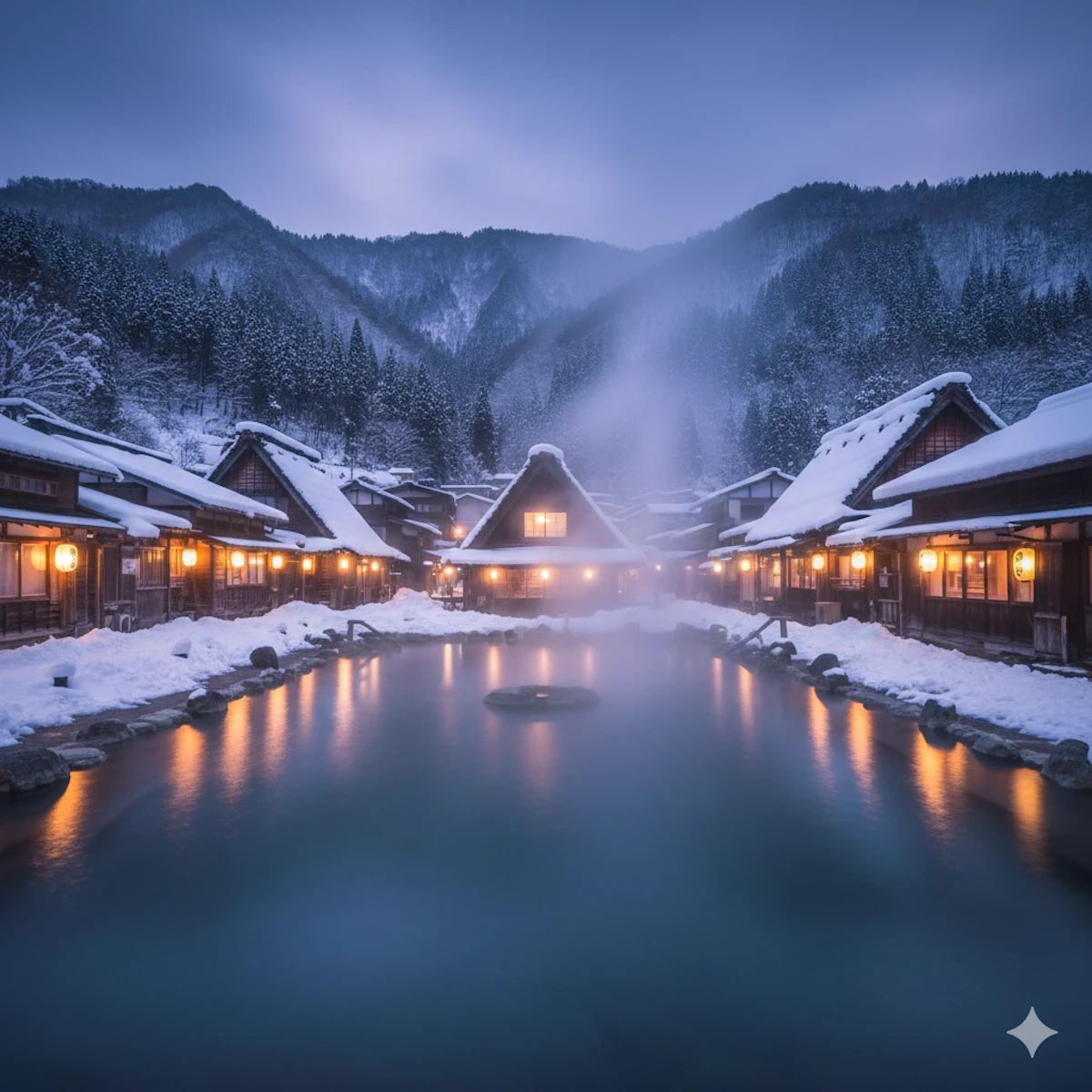
If you have already ticked off Tokyo, Kyoto, and Osaka, Japan has something far richer waiting for you. A Japan slow travel itinerary asks you to put down the checklist, trade bullet trains for local buses, and stay long enough in one place to know the name of the woman who runs the soba shop. This is the Japan that repeat visitors fall in love with — and rarely stop thinking about.
What Is Slow Travel in Japan?
Slow travel is not about moving slowly for its own sake. It is about choosing depth over breadth. Instead of cramming ten cities into ten days, you settle into a handful of carefully chosen places and let the rhythm of each town wash over you. In Japan, this philosophy pairs perfectly with a culture that prizes craftsmanship, quiet ritual, and seasonal awareness.
For repeat visitors, slow travel is often the turning point — the trip where Japan stops being a destination and becomes a place that feels, somehow, like home. You will eat meals that never appear on any "top 10" list. You will soak in baths where the only other guests are local farmers. You will begin to understand what the Japanese mean when they talk about ma — the meaningful pause between things.
Your 2-Week Japan Slow Travel Itinerary
Days 1–3: Kanazawa — The Quiet Counterpart to Kyoto
Begin in Kanazawa, a city that escaped wartime bombing and has preserved its Edo-period merchant districts and geisha quarters in remarkable condition. Unlike Kyoto, it receives a fraction of the crowds.
Spend your first morning at Kenroku-en garden before the tour groups arrive, then wander into the Higashi Chaya district as the tea houses slowly open. Devote an afternoon to the Nagamachi samurai quarter, where lanes of earthen walls and wooden gates feel entirely unchanged. On Day 3, you can take a trip up the Noto Peninsula for a glimpse of Japan's fishing culture. Parts of Noto are still recovering from the January 2024 earthquake, so check the current status of roads and the places you want to visit before you go.
Where to stay: A traditional machiya townhouse rental or a small inn in the Higashi Chaya area keeps you inside the historic fabric of the city.
Days 4–5: Shirakawa-go and Gokayama — Thatched Roofs, Mountain Air
Board a highway bus from Kanazawa and in about 75 minutes you arrive in a different century. The UNESCO-listed gassho-zukuri farmhouses of Shirakawa-go and Gokayama are best experienced in the early morning or late evening, after the day-trippers have left. Stay overnight — most visitors do not, which means you will have the snow-dusted alleys almost entirely to yourself.
Talk to your hosts. Many families have lived in their farmhouses for generations and will share stories over a home-cooked dinner of mountain vegetables, river fish, and locally brewed doburoku sake. This is what a Japan countryside ryokan experience truly means.
Days 6–7: Gero Onsen — Waters That Have Healed for a Thousand Years
Travel south to Gero Onsen, ranked among Japan's three great hot spring towns. Where more famous onsen resorts have become flashy resort corridors, Gero retains a genuine spa-town atmosphere — a river running through the centre, free footbaths around town, and ryokan that have been perfecting hospitality for generations.
Spend your days doing very little: morning bath, a slow breakfast of Japanese pickles and grilled fish, a walk along the Hida River, an afternoon bath, a multi-course kaiseki dinner, an evening bath. This is not laziness — it is intentional restoration. For those following a Japan onsen town guide, Gero is one of the most rewarding and least crowded entries on the list.
Days 8–9: Iya Valley — Japan's Hidden Valley
The Iya Valley in Tokushima Prefecture, Shikoku, is one of the most remote and dramatic landscapes in all of Japan. Vine bridges hang over impossibly deep gorges. Farmhouses cling to slopes so steep that the villages seem to hang off the mountainsides.
Getting here takes effort — which is precisely the point. Hire a car near Oboke Station (or take the infrequent local bus) and wind along the valley roads. Sleep in a restored farmhouse inn perched above the river. At night, the silence is absolute. No convenience stores, no traffic — just the sound of the Iya River far below. For Japan travel tips for repeat visitors, Iya Valley consistently tops the list of places that create the most lasting impressions.
Days 10–11: Uchiko — A Merchant Town Frozen in Wax and Time
Continue west to Ehime Prefecture and stop in Uchiko, a small town that made its fortune in the 19th century producing Japanese wax. Its Yokaichi Gokoku district is a preserved street of merchant homes, sake breweries, and workshops that the tourist economy has barely touched.
Visit the Uchiko-za kabuki theatre (built 1916 and still in use), browse the wax museum, and eat at one of the small local restaurants. Uchiko is the kind of place that is easy to add to a Japan travel itinerary for repeat visitors but difficult to leave.
Days 12–13: Yufuin — An Onsen Town That Kept Its Soul
End your journey in Yufuin, Oita Prefecture, set in a volcanic basin at the foot of Mount Yufu. While the main street has attracted boutiques and cafes, Yufuin has managed to stay genuinely pastoral. Walk to Lake Kinrinko early, when mist often rises off the water, and soak at the lakeside Shitan-yu public bath (mixed-gender, with a small fee paid at the entrance).
Book a smaller inn away from the main road — a place where the owners know your name by breakfast and the outdoor bath looks directly at the mountain. Yufuin earns its place in any Japan onsen town guide not just for the quality of its waters but for the overall atmosphere of unhurried elegance.
Day 14: Tsumago-juku — A Final Step Back in Time
Finish at Tsumago-juku on the old Nakasendo highway. This is a long travel day from Kyushu to the Kiso Valley, so leave Yufuin early. Residents follow a charter of not selling, renting or demolishing the old buildings, and the post-town still looks much as it did in the Edo period. Walk the forested trail section toward Magome, buy a rice cake from a wooden stall, and let the feeling settle in: two weeks of Japan at its own pace.
Accommodation Tips: Ryokan and Farmhouse Stays
A slow travel Japan itinerary lives or dies by where you sleep.
- Ryokan (traditional inns): Look for smaller, family-run properties with four to twelve rooms. Meals are included, staff speak about the region with genuine knowledge, and the experience of omotenashi hospitality is most palpable at this scale.
- Noka minshuku (farmhouse B&Bs): Often the most memorable stay of any trip. Hosts cook what they grew. Conversations happen naturally. Budget is minimal; experience is maximum.
- Booking cadence: Reserve Gero and Yufuin ryokan at least 8–10 weeks in advance, especially for weekends and autumn foliage season. Iya Valley and Uchiko can usually be booked with less lead time.
Planning Tips for a Slow Travel Japan Trip
Transport: For a rural-heavy itinerary, a combination of shinkansen between major hubs, highway buses into the mountains, and a hire car for Iya Valley works best. Avoid the temptation to rely solely on the JR Pass — local buses and rental cars access the places that matter most on this route.
Pacing: Resist the urge to fill every morning. Leave one slot per day unplanned. The best experiences on slow travel trips are almost always unscheduled — a conversation with a glassblower, a festival preparation you wander into, a farmer who waves you into his persimmon orchard.
Season: Late autumn (mid-October to mid-November) and late winter (February) offer the most atmospheric conditions for onsen towns and mountain valleys. Crowds are thinner, the air is cold enough to make the baths feel miraculous, and the landscape is at its most painterly.
Language: Outside major cities, English is minimal. Download a translation app and carry a small phrasebook. The attempt matters far more than fluency — hosts consistently respond with warmth to any effort.
Ready to Trade the Tourist Trail for Something Real?
A Japan slow travel itinerary is not a compromise on ambition. It is an upgrade in depth. The places on this route — Kanazawa's geisha lanes, the cedar-scented baths of Gero, the vine bridges of Iya, the wax-merchant streets of Uchiko — are the Japan that stays with you for years, not the Japan you photographed from a tour bus.
You have already seen the icons. Now see the country.