
Kanazawa Travel Guide: Japan's Best-Kept Secret for Western Repeat Visitors
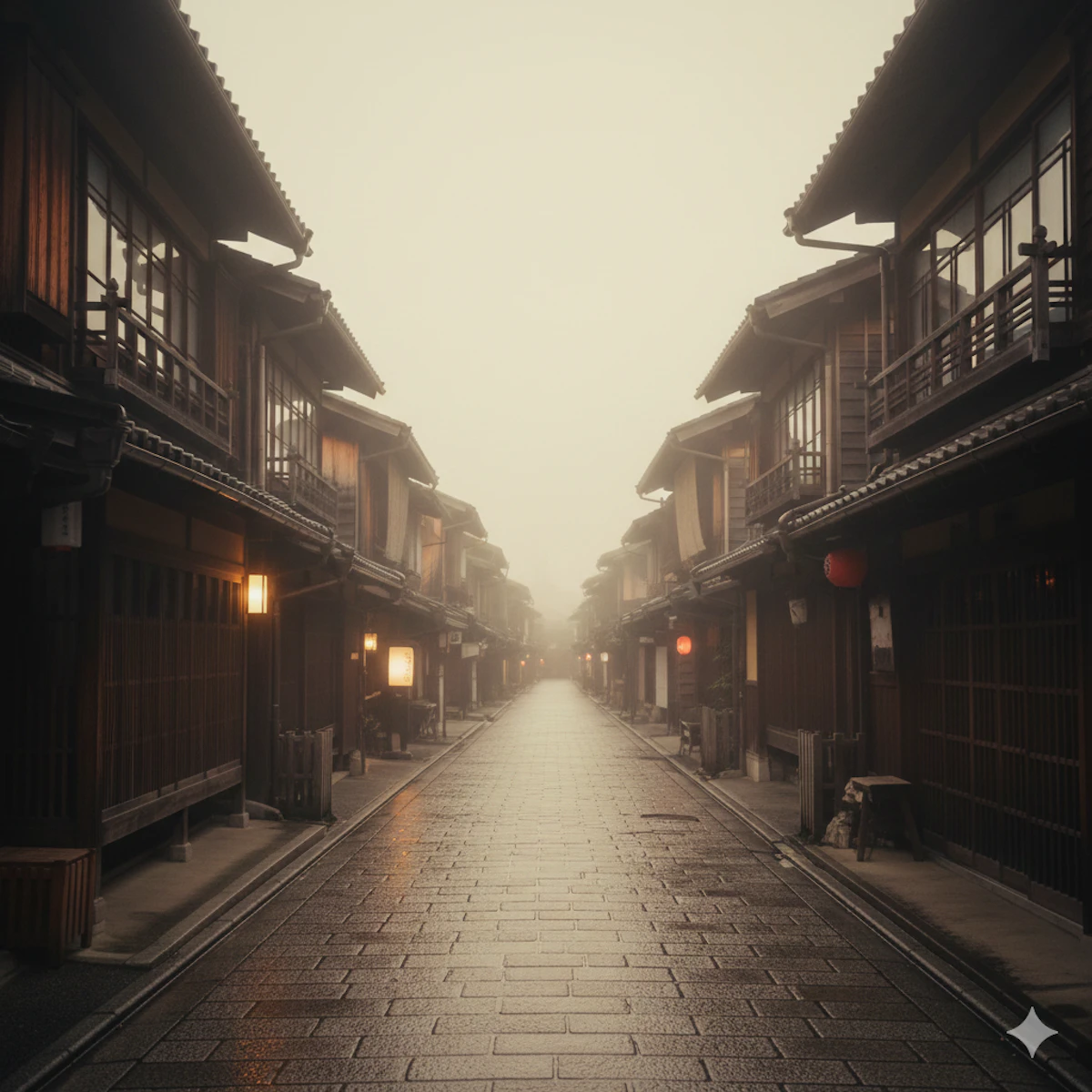
Kyoto is breathtaking. But if you've already walked the stone lanterns of Fushimi Inari, watched the geisha glide through Gion, and booked your third temple visit before breakfast — you already know what Kyoto feels like. Kanazawa doesn't. That's exactly the point.
This Kanazawa travel guide is written for the repeat visitor who has outgrown the greatest hits and is ready to find what Japan actually feels like when the tour buses haven't arrived yet. Tucked along the Sea of Japan coast in Ishikawa Prefecture, Kanazawa was spared the air raids of WWII, which left intact samurai districts, geisha quarters, and merchant townhouses that many Japanese cities lost. It's the Japan you read about in fiction — and it still exists, in real time, right now.
Why Kanazawa? Japan Beyond Tokyo and Kyoto
The case for Kanazawa is simple: maximum authenticity, minimum crowds.
Kyoto is far busier than Kanazawa, and the experience reflects it. You can stand alone in a moss-covered samurai garden at 8 a.m. You can often find a counter seat at a small seafood restaurant without booking months ahead. You can stroll the Higashi Chaya geisha district at dusk and have the cobblestone lane almost entirely to yourself.
For travellers seeking Japan hidden gems, Kanazawa is a strong choice for traditional arts and ryokan culture. The city has been called "the little Kyoto of the Sea of Japan" by Japanese themselves, and that framing undersells it: Kanazawa has a distinct identity, from its Kaga Cuisine culinary tradition to its world-class contemporary art scene, that Kyoto simply doesn't replicate.
The Higashi Chaya District: Where the Geisha Still Live
Start your Kanazawa visit in Higashi Chaya (East Geisha District), licensed by the Kaga Domain in 1820 as one of the city's teahouse districts. The latticed wooden ochaya (teahouses) lining the main street sit in a nationally designated Important Preservation District for Groups of Traditional Buildings (since 2001), and many are still used as teahouses, cafes and craft shops.
Walk the lane in early morning before shops open. The light falls differently here. The silence has texture. A few teahouses, such as Shima and Kaikaro, are open to visitors so you can see the second-floor ozashiki banquet rooms where geisha perform. Pick up gold leaf crafts, Kaga-dyed silk, or Japanese sweets from the handful of traditional artisan shops that anchor the street.
Map: Google Maps
Pro tip: Kanazawa produces almost all of Japan's gold leaf (the figure usually cited is about 99%). Entire shops are dedicated to the art, and edible gold leaf on soft-serve ice cream is the city's signature street snack. Absurd and delicious.
Kenroku-en Garden: Japan's Most Underrated Beauty Spot
Kenroku-en consistently ranks as one of Japan's top three traditional landscape gardens, alongside Okayama's Korakuen and Mito's Kairakuen. Unlike its peers, it somehow remains manageable even during peak season.
The name means "garden of six sublimities" — a reference to the six attributes that define the perfect garden in classical Chinese landscape theory: spaciousness, seclusion, artificiality, antiquity, waterways, and panoramic views. Kenroku-en achieves all six across its 11.4 hectares.
Visit in early morning when the garden opens, ideally from November, when the yukitsuri (rope supports that protect the pine branches from heavy snow) go up, starting with the famous Karasaki pine on 1 November, or in late autumn when the maples turn. The garden connects to Kanazawa Castle Park (Google Maps), where the Ishikawa Gate (rebuilt in 1788, an Important Cultural Property) and the reconstructed Gojikken Nagaya turret warehouse stand against stone walls — a good reason to spend at least two days in the city.
Map: Google Maps
Nagamachi Samurai District and Oyama Shrine
A ten-minute walk west of the castle brings you into Nagamachi, the preserved samurai residential quarter where middle-ranking warriors of the Kaga Domain once lived. The earthen walls (dobei), narrow lanes, and wooden gates remain intact. Unlike the Higashi Chaya district, Nagamachi is primarily residential — the atmosphere is quieter, the feeling of stepping backward in time more pronounced.
The Nomura Clan Samurai House (Buke Yashiki Nomura, Google Maps) is the district's most polished attraction, with a garden built around a carp pond. There is an entry fee; check the official site for the current price.
Map: Google Maps
From Nagamachi, walk north to Oyama Shrine (Google Maps), an eclectic landmark: its three-tiered gate (Shinmon), built in 1875, combines Japanese, Chinese and Western styles, with colored glass (giyaman) in the top tier. The result is strange, beautiful, and entirely Kanazawa.
Kanazawa Food Culture: What to Eat and Where
Kanazawa's culinary identity — known as Kaga Cuisine — is one of the most sophisticated regional food traditions in Japan. The city's position on the Sea of Japan gives it access to seafood that is at its best when eaten locally: snow crab, yellowtail (buri), sweet shrimp, and the prized nodoguro (blackthroat seaperch), a fatty, delicate white fish prized in the region.
Omicho Market
Omicho Market is Kanazawa's central food market, which has served the city for about 300 years (since the domain era). Arrive hungry before noon; shop hours and closed days vary, so check before you go. The market is lined with seafood stalls, vegetable vendors, and sushi counters serving fresh seafood bowls.
Map: Google Maps
This is a good place to eat the way residents do: counter seats, point at whatever looks freshest, pay a fair price. It is one of the authentic Japan travel experiences that repeat visitors consistently cite as a highlight.
Jibu-ni: The Dish That Defines the City
No Kanazawa travel guide is complete without a serious mention of jibu-ni (治部煮), the city's signature simmered dish. Duck (or sometimes chicken) dusted with wheat flour simmers in a dashi broth seasoned with soy, mirin, and sake, alongside vegetables and fu (wheat gluten), and is served with wasabi. The flour coating gives the broth a silky texture.
Find it at traditional Kaga Cuisine restaurants throughout the city center — look for lunch sets at traditional Kaga Cuisine restaurants for an accessible introduction; prices vary, so check the menu before you go.
Where to Stay: Machiya Townhouse and Japan Countryside Ryokan
Kanazawa is one of the best cities in Japan for a Japan countryside ryokan experience that is actually within walking distance of everything. The city has invested heavily in machiya renovation, and several traditional merchant townhouses have been converted into intimate guesthouses — some accommodating only two to four guests — with preserved wooden interiors, inner gardens, and local breakfasts.
For a more classic ryokan experience with tatami, yukata, multi-course kaiseki dinner, and futon bedding, options range from inns in the city center to ryokan on the Noto Peninsula to the north. Noto was hit by the January 2024 earthquake and the September 2024 floods; recovery work continues, and the Kanazawa tourism association says tourism is mostly back to normal, but check each facility's status before you book.
Booking a local machiya stay rather than a business hotel is one of the single most effective choices you can make for authentic Japan travel experiences. The difference in what you see, hear, and eat before 9 a.m. is substantial.
Getting to Kanazawa: Access and Logistics
Since March 2015, Kanazawa has been connected to Tokyo by the Hokuriku Shinkansen, cutting travel time to to about 2 hours 30 minutes from Tokyo Station (2 hours 28 minutes on the fastest Kagayaki). The line was extended to Tsuruga in March 2024.
From Tokyo: Hokuriku Shinkansen Kagayaki or Hakutaka service to Kanazawa Station. The Japan Rail Pass covers the route.
From Osaka/Kyoto: Take the Thunderbird limited express to Tsuruga and change to the Hokuriku Shinkansen, or take a highway bus. The Shinkansen extension from Tsuruga to Osaka has no opening date yet and is not expected for many years.
Within Kanazawa: The Castle Town Kanazawa tour bus (around 200 JPY per ride on weekdays) connects the main sights. Most of the historic center is walkable; rent a bicycle for half a day to cover the full circuit comfortably.
Go Early, Go Off-Peak
Kanazawa is easier to reach since the Shinkansen opened, and it is busier than it was, especially in peak season and around Higashi Chaya and Omicho. It is still calmer than Kyoto if you go early in the day or outside holidays.
This is Japan beyond Tokyo and Kyoto — and it is worth every hour of the detour.
Written for Wander — curated authentic experiences for Japan's repeat visitors.